
How AI and Virtual Reality Are Transforming Nightlife Experiences in 2025

The nightlife scene in 2025 is unrecognizable from just a few years ago. The fusion of Artificial Intelligence (AI) and Virtual Reality (VR) has sparked a revolution in how people party, connect, and experience music and entertainment. From immersive virtual clubs to AI-powered DJs, the future of nightlife is here—and it’s more interactive, inclusive, and innovative than ever before.
Imagine stepping into a nightclub from your living room, surrounded by friends from around the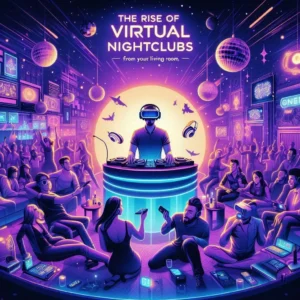 world. Virtual reality nightclubs have become a mainstream phenomenon, offering fully immersive environments where users can dance, socialize, and enjoy live performances—all through a VR headset.
These digital venues replicate the energy of real-life clubs, complete with pulsating lights, 3D sound, and interactive dance floors. Users can customize their avatars, choose outfits, and even teleport between different themed rooms or events. No matter where you are physically, you can join the party in a matter of seconds.
Gone are the days of one-size-fits-all playlists. In 2025, AI DJs analyze crowd reactions in real-time, adjusting music, tempo, and even lighting to match the mood and preferences of the audience. Whether you’re in a virtual club or a physical venue, AI ensures every set feels unique and tailored.
-
: AI systems monitor dance floor activity, social media chatter, and even biometric data (like heart rate from smartwatches) to gauge excitement levels.
-
: Guests can request songs or genres, and the AI blends them seamlessly, creating a dynamic and ever-evolving soundtrack.
-
: AI curates new music, helping unknown talents reach global audiences by matching their tracks to the perfect crowd.
VR technology has transformed club visuals from simple light shows to breathtaking, interactive art. Walls pulse with digital graffiti, floors ripple with virtual waves, and 3D holograms dance alongside the crowd. Some clubs offer “choose your adventure” nights, where guests vote on the theme or storyline, and the environment morphs in real time.
-
: In physical venues, AR glasses add digital effects to the real world—think floating neon shapes or virtual confetti raining down during a DJ drop.
-
: Between sets, guests can compete in VR dance battles, solve puzzles, or explore hidden rooms, making every night out a new adventure.
One of the most profound impacts of AI and VR is the democratization of nightlife. People who once felt excluded—due to geography, disability, or social anxiety—can now join the party on their own terms.
-
: Virtual events bring together diverse crowds from every continent, fostering cultural exchange and new friendships.
-
: VR clubs offer customizable environments for those with sensory sensitivities, and AI can provide real-time translation for multilingual parties.
-
: Partygoers can control their environment, volume, and interactions, creating a space that feels both exciting and safe.
Far from isolating, virtual nightlife is forging deeper connections. AI-powered matchmaking suggests new friends or dance partners based on shared interests. Group activities, like collaborative art walls or live karaoke, make it easy to break the ice and build lasting memories.
-
: Friends can schedule private parties, complete with custom playlists and exclusive digital spaces.
-
: Many clubs now blend physical and virtual experiences, streaming live performances to both in-person and online audiences, ensuring no one misses out.
As technology advances, the boundaries between digital and physical nightlife will continue to blur. Expect to see:
-
that let you feel the bass and the beat, even from home.
-
that creates personalized party itineraries based on your tastes and mood.
-
that unlock exclusive virtual experiences and rewards.
Conclusion
AI and VR have not just changed nightlife—they’ve reimagined it. In 2025, the party never stops, and everyone is invited. Whether you’re dancing in a neon-lit virtual club or experiencing a multi-sensory show in your city, the fusion of technology and creativity ensures that every night out is a unique journey into the future of fun.
