
Introduction
In 2025, social media isn’t just a platform for sharing food photos—it’s the driving force behind what the world eats, how new dishes go viral, and the way food culture evolves globally. From TikTok food hacks to Instagrammable pop-up restaurants, digital platforms are setting the table for a new era of culinary innovation and influence.
The Rise of Viral Food Trends
Social media platforms have become the birthplace of global food trends. A single creative video or post can spark a culinary movement overnight:
-
TikTok Recipe Hacks: Short, engaging videos make it easy for users to learn and try new recipes,
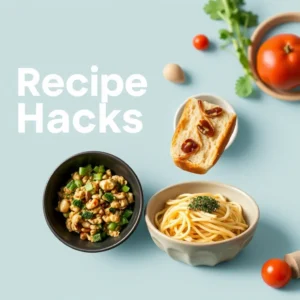 from “cloud bread” to fusion street food.
 -
Instagrammable Dishes: Chefs and home cooks design meals for maximum visual impact, knowing that a photogenic plate can go viral and inspire millions.
-
YouTube Cooking Challenges: Influencers and celebrities compete in unique cooking challenges, encouraging followers to recreate and share their results.
Influencers as Food Trendsetters
Food influencers have become the new tastemakers, with millions of followers looking to them for inspiration:
-
Global Reach: Influencers introduce audiences to cuisines from around the world, making
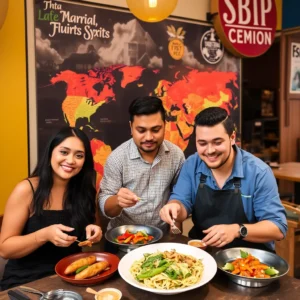 international flavors accessible and trendy.
 -
Authenticity Matters: Audiences crave genuine experiences—behind-the-scenes stories, family recipes, and honest reviews carry more weight than polished ads.
-
Collaborations: Influencers partner with chefs, brands, and restaurants to launch limited-edition menu items or pop-up events, driving both online and offline buzz.
User-Generated Content and Community Power
The power of social media lies in its ability to turn everyone into a creator:
-
Recipe Sharing: Home cooks post their own twists on trending dishes, adding local ingredients or cultural flair.
-
Food Challenges: Viral challenges—like “one-pan dinners” or “no-waste cooking”—encourage creativity and community participation.
-
Crowdsourced Reviews: Real-time feedback on restaurants and products helps trends spread faster and shapes what’s popular.
The Impact on Restaurants and Brands
Restaurants and food brands are adapting to the social media era in innovative ways: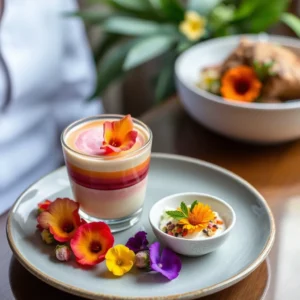
-
Menu Innovation: Chefs create “Instagrammable” dishes designed for sharing, from rainbow lattes to edible flowers.
-
Pop-Up Experiences: Temporary, themed restaurants and food trucks pop up in response to online trends, drawing crowds eager to try the latest viral sensation.
-
Interactive Campaigns: Brands launch hashtag challenges or invite users to vote on new flavors, turning customers into co-creators.
Shaping Health and Sustainability Trends
Social media’s influence extends beyond flavor to values:
-
Plant-Based and Eco-Friendly: Viral posts about plant-based meals, zero-waste cooking, and sustainable sourcing have made these practices mainstream.
-
Transparency: Consumers demand to know where their food comes from, pushing brands to showcase ethical practices and ingredient sourcing in their content.
-
Wellness Movements: Wellness influencers promote healthy recipes, mindful eating, and functional foods, setting new standards for what’s “in.”
The Future: What’s Next?
Looking ahead, social media will continue to blur the lines between cultures, cuisines, and communities:
-
AI-Powered Personalization: Platforms recommend recipes and restaurants based on user preferences and trending topics.
-
Virtual Food Events: Online cooking classes, live tastings, and global food festivals bring people together across borders.
-
Augmented Reality Menus: Diners preview dishes in 3D before ordering, making the experience more interactive and fun.
Conclusion
In 2025, social media is more than a showcase for food—it’s the engine that drives global food trends, connects communities, and inspires culinary creativity. Whether you’re a chef, a home cook, or a foodie searching for the next big thing, the world’s kitchen is now just a swipe away.
