From Tapas to Tacos: How Small Plates Are Changing the Way We Share Food

In 2025, the world’s dining tables are getting smaller—but the experiences are bigger than ever. The rise of small plates, from Spanish tapas to Mexican tacos and beyond, is transforming the way people eat, connect, and celebrate. No longer just appetizers or side dishes, small plates are at the heart of a global movement that’s redefining sharing, conversation, and culinary exploration.
Small plates offer more than just variety—they invite diners to slow down, savor, and share. Instead of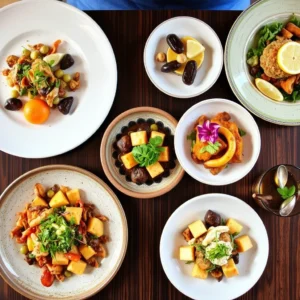 each person ordering a single entrée, groups can sample a range of flavors, textures, and cuisines in a single meal. This style of eating encourages curiosity and conversation, making every meal a social event.
-
: Diners can try multiple dishes in one sitting, exploring everything from bold spices to subtle sauces.
-
: Meals can be adapted to any group size, appetite, or dietary preference.
-
: Sharing plates breaks down barriers, sparks conversation, and brings people together.
-
: Chefs experiment with global influences, seasonal ingredients, and playful presentations.
Tapas, the iconic Spanish tradition, are perhaps the best-known example of small plate dining.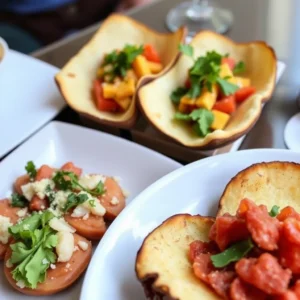 Originating as simple snacks served with drinks, tapas have evolved into an art form. Today, tapas bars offer everything from classic patatas bravas and jamón to inventive creations featuring seafood, vegetables, and local specialties.
Tapas culture is about more than food—it’s about lingering over conversations, hopping from bar to bar, and enjoying the company of friends and strangers alike. The spirit of sharing and discovery that defines tapas has inspired chefs and diners around the world.
The small plate revolution isn’t limited to Spain. Mexican tacos, Middle Eastern meze, Japanese izakaya, and Italian cicchetti all embrace the same philosophy: food is best enjoyed in bites, together.
-
: In Mexico and beyond, tacos are a canvas for creativity—filled with everything from slow-cooked meats to grilled vegetables and spicy salsas. Taco nights bring people together, each person building their own perfect bite.
-
: In Greece, Turkey, and the Levant, meze platters overflow with dips, olives, cheeses, and grilled delights. Meals stretch for hours, with plates passed around and stories shared.
-
: Japanese izakaya pubs serve small plates of yakitori, sashimi, and pickled vegetables, encouraging relaxed, communal dining.
-
: In Venice, cicchetti bars offer bite-sized snacks paired with local wine, perfect for grazing and socializing.
Restaurants and home cooks alike are embracing the small plate trend. Menus are organized around sharing, with dishes arriving as they’re ready rather than in traditional courses. Families and friends gather around tables crowded with colorful plates, each bite a new adventure.
This approach also supports sustainability and mindful eating. Smaller portions reduce food waste and allow diners to appreciate quality over quantity. Seasonal, local ingredients shine in creative combinations, reflecting a growing interest in responsible sourcing and global flavors.
Picture a lively table filled with bowls and platters—tapas next to tacos, meze beside sushi rolls, all within easy reach. Hands reach across, laughter rings out, and the meal becomes a tapestry of tastes and stories. This is the essence of the small plate revolution: food as a shared, joyful experience.
As global travel and cultural exchange continue to shape food trends, small plates will only become more diverse and inventive. Expect to see even more fusion creations, plant-based options, and interactive dining experiences where guests help assemble or customize their own bites. Technology may play a role too, with apps that suggest pairings or help diners track their favorite dishes across restaurants and cities.
Conclusion
From tapas to tacos, small plates are changing the way we share food in 2025. They invite us to explore, connect, and celebrate together—one bite at a time. In a fast-paced world, the shared table is a place to slow down, savor the moment, and discover the endless possibilities of global cuisine.
