
Eco-Friendly Family Adventures: How Outdoor Events Are Going Green in 2025

Introduction
In 2025, families around the world are embracing a new era of outdoor adventure—one that’s not only fun and memorable but also deeply committed to protecting the environment. As sustainability becomes a core value for communities and event organizers, eco-friendly family outings are transforming the way we experience nature, celebrate special occasions, and spend time together. This shift is more than a trend; it’s a movement that’s reshaping parks, festivals, camps, and even backyard gatherings, making every adventure a step toward a greener planet.
The Rise of Green Outdoor Events
Modern outdoor events are now designed with sustainability at their heart. From local park festivals to large-scale nature camps, organizers are adopting eco-conscious practices that minimize waste, conserve resources, and educate families about the importance of environmental stewardship.
Key Features of Eco-Friendly Events
-
Zero-Waste Initiatives: Many events now aim for zero landfill waste by providing composting and recycling stations, banning single-use plastics, and encouraging attendees to bring reusable containers.
-
Renewable Energy: Solar panels, wind turbines, and battery-powered lighting are replacing traditional generators, powering stages and activities with clean energy.
-
Sustainable Catering: Food vendors focus on locally sourced, organic ingredients and offer plant-based menus to reduce their carbon footprint.
Family Activities That Go Green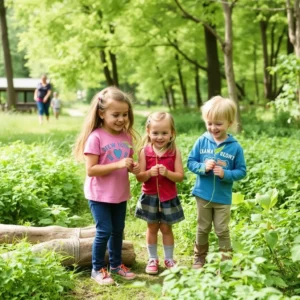
Eco-friendly adventures aren’t limited to large events—they’re also woven into everyday family outings. Here are some ways families are making their time outdoors more sustainable:
1. Nature Scavenger Hunts
Families can create lists of natural items—like pinecones, wildflowers, or animal tracks—and explore local parks or forests together. These hunts encourage curiosity, teach kids about biodiversity, and often include a litter-picking element to leave nature cleaner than before.
2. Community Clean-Up Days
Many neighborhoods now organize regular clean-up events where families work together to collect litter from parks, riversides, or beaches. These activities foster a sense of community pride and environmental responsibility.
3. Eco-Friendly Picnics
Instead of disposable plates and cutlery, families pack reusable containers, cloth napkins, and refillable water bottles. Choosing local, seasonal foods for picnics also reduces transportation emissions and supports nearby farmers.
4. DIY Green Crafts
Outdoor workshops and camps often include crafts made from recycled materials—like bird feeders from old bottles or plant pots from tin cans. These hands-on activities inspire creativity while teaching kids about upcycling and resourcefulness.
5. Sustainable Camping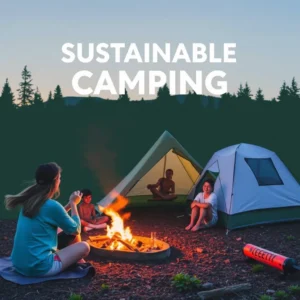
Families are choosing eco-campsites that use renewable energy, composting toilets, and natural materials for tents and cabins. Campers are encouraged to follow “leave no trace” principles, ensuring they leave the environment as pristine as they found it.
Innovations in Green Event Planning
The push for sustainability has led to exciting innovations in how outdoor events are organized and enjoyed:
-
Digital Invitations & Tickets: Paperless systems reduce waste and streamline event access.
-
Carbon Offset Programs: Some events offer families the chance to offset their travel emissions by supporting tree-planting or conservation projects.
-
Interactive Environmental Education: Many festivals now feature workshops, games, and exhibits that teach children about climate change, wildlife protection, and eco-friendly living in fun, engaging ways.
Destinations Leading the Way
Certain destinations have become models for eco-friendly family adventures:
-
Wildlife Reserves and National Parks: These protected areas often host guided tours, educational programs, and volunteer opportunities focused on conservation.
-
Eco-Resorts: Accommodations that use renewable energy, recycle water, and serve organic food are becoming the norm for families seeking sustainable vacations.
-
Urban Green Spaces: Cities are investing in green roofs, community gardens, and outdoor learning centers, making eco-adventures accessible to families without leaving town.
Making Outdoor Fun Sustainable at Home
You don’t have to travel far to embrace green adventures. Families can turn their own backyards into eco-friendly playgrounds by:
-
Planting native flowers and trees to support local wildlife.
-
Setting up rainwater collection systems for garden irrigation.
-
Hosting outdoor movie nights powered by solar panels.
-
Creating habitats for pollinators like bees and butterflies.
The Benefits of Eco-Friendly Family Adventures
Choosing sustainable outdoor activities offers more than environmental benefits:
-
Healthier Lifestyles: Spending time in nature encourages physical activity and reduces screen time.
-
Stronger Family Bonds: Working together on green projects or exploring new places fosters teamwork and shared memories.
-
Educational Growth: Children learn valuable lessons about ecology, responsibility, and the impact of their choices.
Looking Forward: The Future of Green Family Adventures
As technology and awareness continue to evolve, expect even more creative ways for families to enjoy the outdoors sustainably. From smart gear that tracks environmental impact to virtual guides that teach eco-skills, the next wave of green adventures will blend innovation with tradition.
Conclusion
Eco-friendly family adventures in 2025 are about more than just having fun—they’re about making a positive difference. By choosing green events, adopting sustainable habits, and inspiring the next generation of environmental stewards, families everywhere are helping to ensure that the great outdoors remains vibrant and accessible for years to come.
